Way
We imagine a future where every household has access to affordable and sustainable cooking solutions that protect health, reduce pollution, and create economic opportunities.
Over 80% of Kenyan households rely on charcoal and firewood for energy, reflecting a broader trend in Sub-Saharan Africa, which produces 65% of the world's charcoal. Globally, 2.4 billion people lack clean cooking options, often using inefficient stoves and open fires fueled by wood and charcoal. Despite Sustainable Development Goal 7 aiming for clean fuel access by 2030, challenges like high costs and weak supply chains make switching difficult for Africa's 430 million people living in poverty. Charcoal use in Africa could triple by 2050 due to urbanization, population growth, and the high cost of cleaner alternatives. However, charcoal's finite supply cannot meet this growing demand, posing environmental, health, and poverty-related challenges.
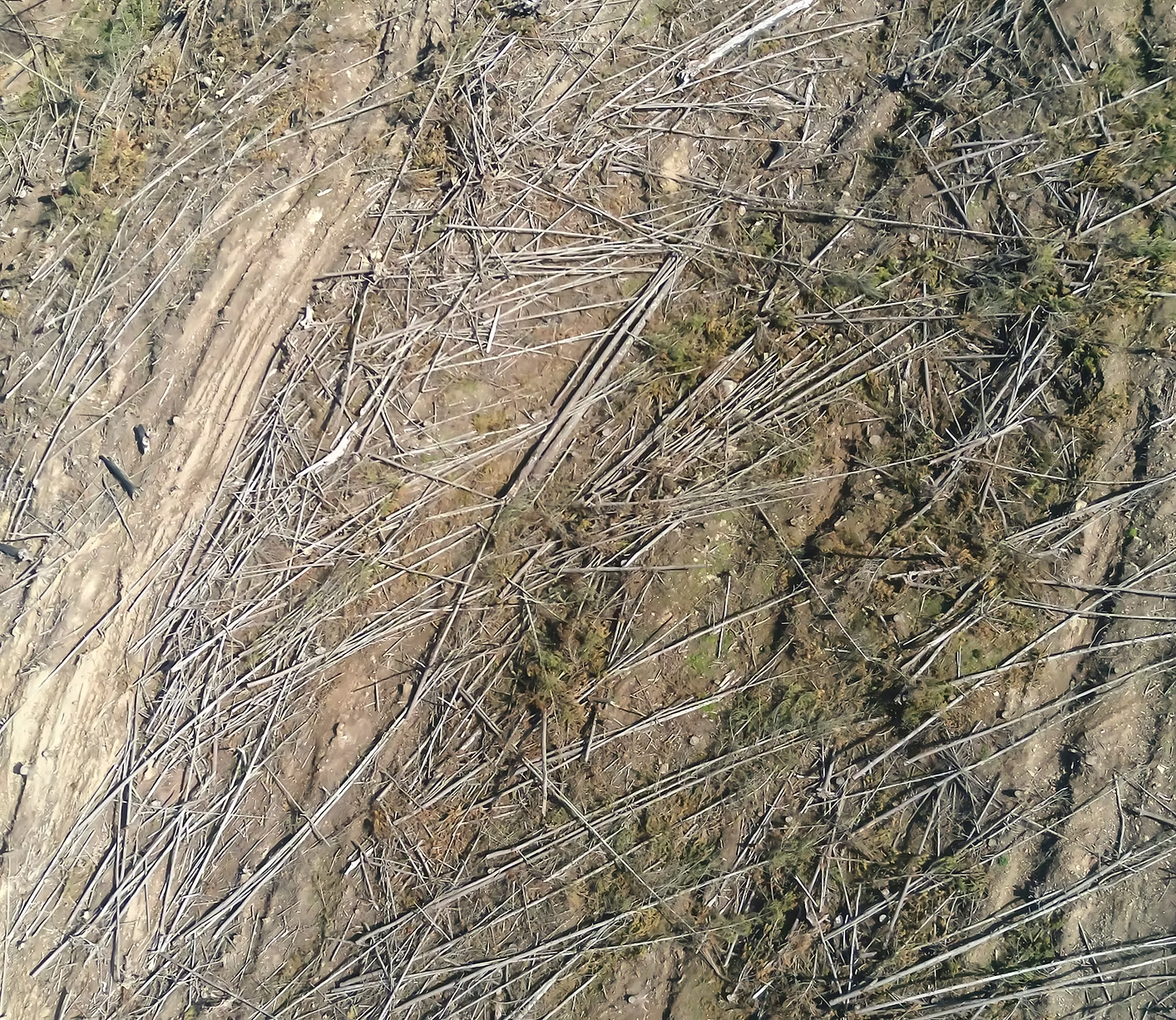
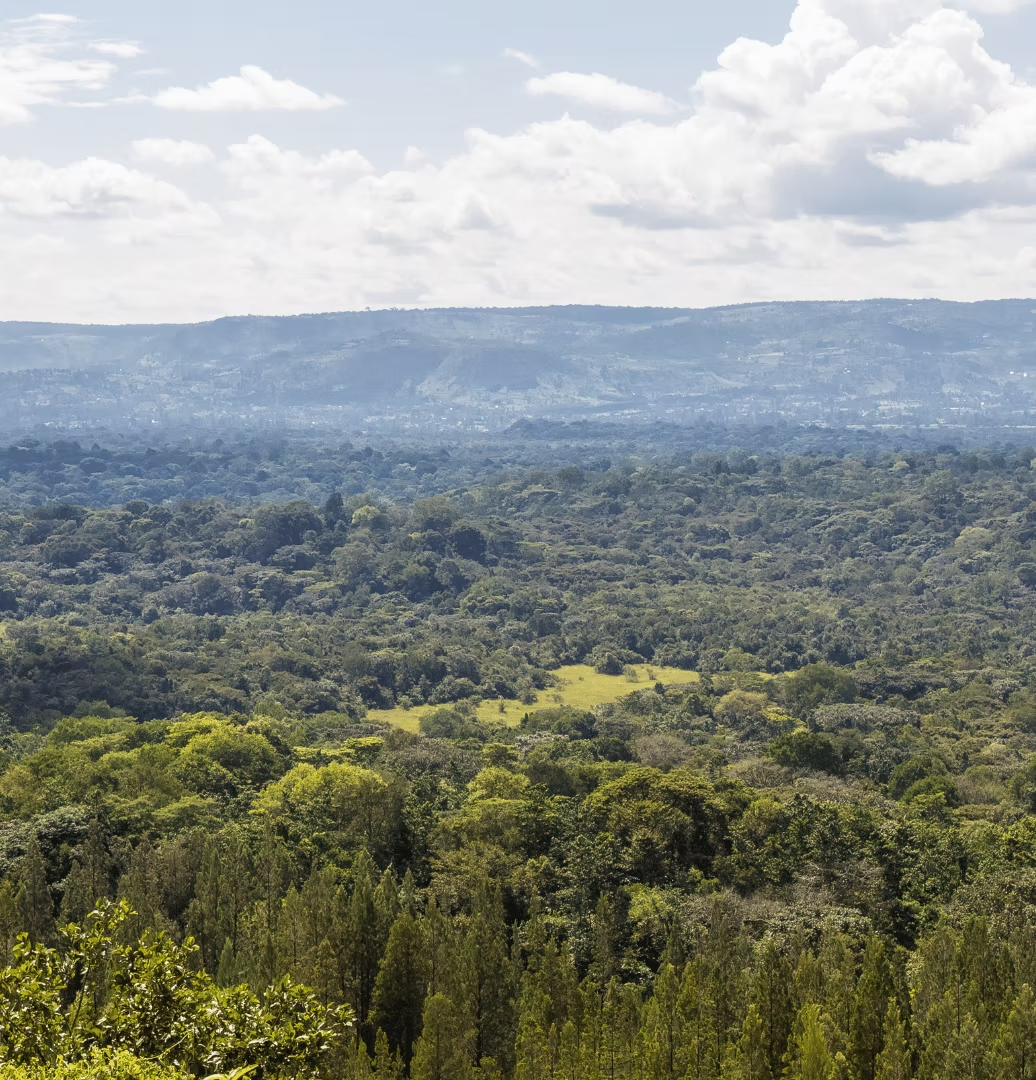
Deforestation is the most notable adverse effect of charcoal and firewood consumption. It leads to biodiversity loss, soil erosion, water pollution, and disrupts water cycles, contributing to desertification. It's a contributing factor in the loss of one-third of African forests, threatening ecological health and diversity.
We are investing in solutions to transition people away from dirty fuels. Our approach transforms agricultural byproducts, typically burned or left to decompose, into sustainable biofuels, embracing circular economy principles. Our solutions mitigate deforestation and habitat loss, crucial for preserving global biodiversity and combating climate change, addressing SDG 15.

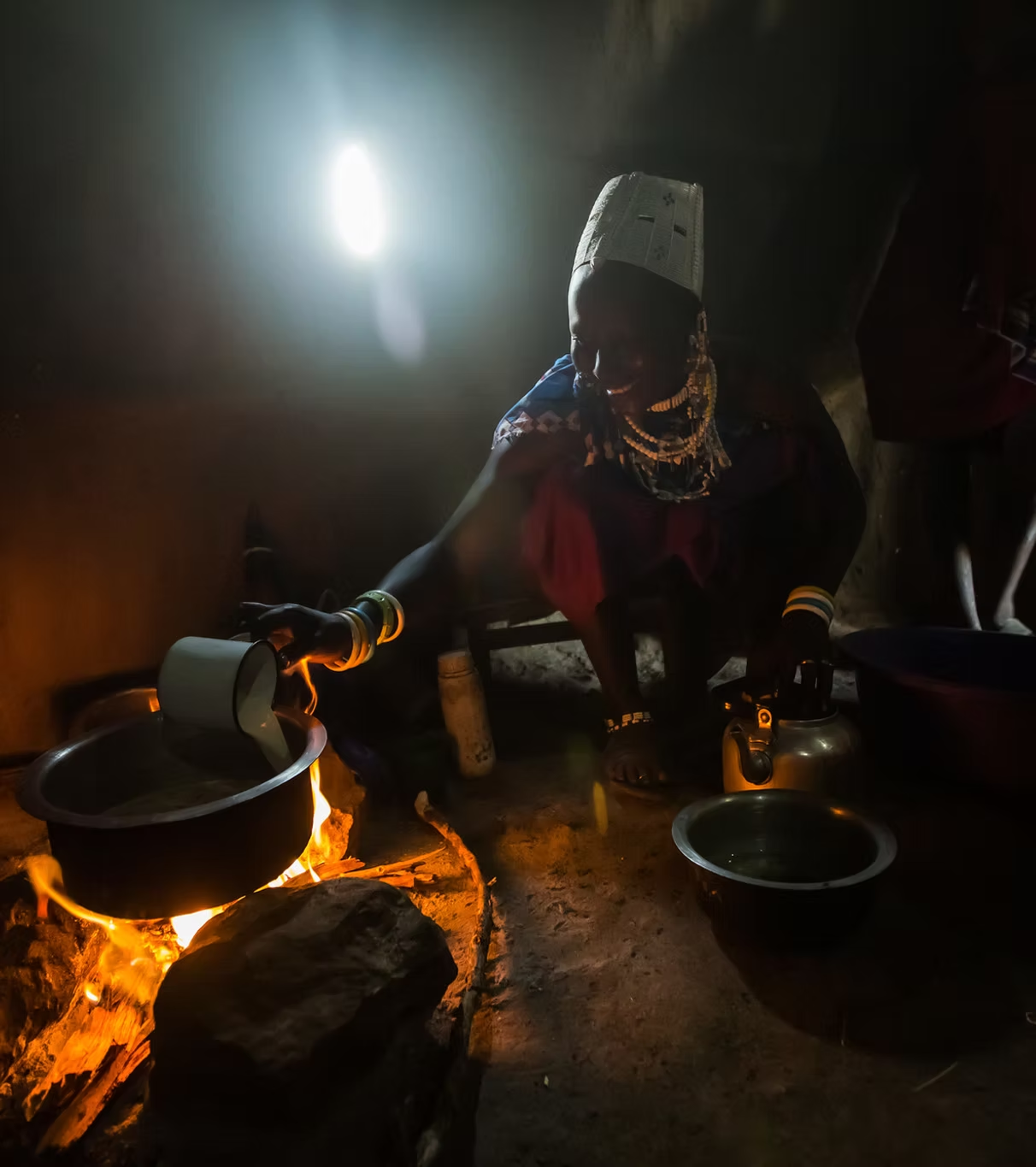
Communities without sufficient energy, particularly indoors, expose individuals — especially children — to breathing toxic fumes and dust particles, causing inflammation of the lungs and respiratory poisoning. Smoke and other health hazards in Africa claim 4.2 million lives annually, including 700,000 children under five.
Our solutions significantly improve public health by addressing traditional charcoal and firewood use. By offering a smokeless flame, we drastically reduce the risk of respiratory diseases, burns, and cataracts. By reducing indoor air pollution and improving air quality across wider communities, our solutions create greater health equity.
Traditional charcoal and firewood contribute significantly to global emissions, causing 1% of global greenhouse gas emissions due to traditional carbonisation and combustion processes. Our approach not only reduces emissions from charcoal production but also offsets carbon already present through sustainable by-products.
By transforming waste into clean energy and contributing positively to the fight against climate change, our briquettes achieve more efficient combustion conditions aligned with SDG 13, aiding the global effort to achieve climate neutrality.
Kenya's traditional cooking materials have previously affected economic vitality. Women spent between 14 and 18 hours per week on cooking and fuel collection — time taken away from employment, education, and other opportunities.
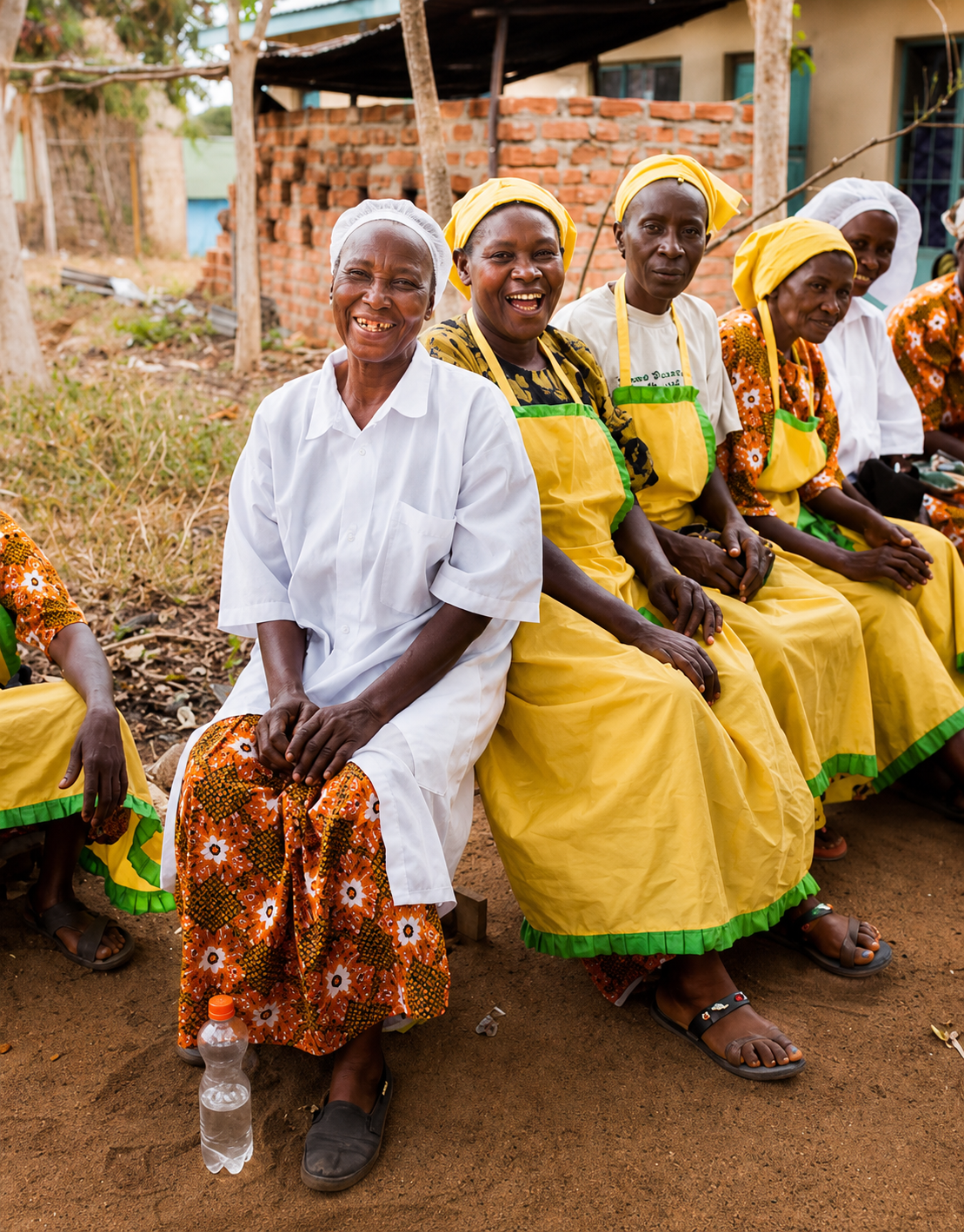
To address this, we are creating jobs and economic opportunities throughout the supply chain. Our objective is to place women at the forefront and empower them at every step, promoting local opportunities that significantly improve women's and youth's economic empowerment and livelihoods.
At HOTA, we're on a journey to deliver sustainability at every step of our process.
At Hota, we are committed to contributing towards transitioning away from fossil fuels. Get in touch to discuss how we can help you on your journey towards a clean and renewable future.
United Kingdom 128 City Road, London Kenya Dennis Pritt Road, Nairobi Contact info@hotaenergy.com